

Porsche Panamera Buyers Guide: A Comprehensive Overview (2026)
Navigating the Porsche Panamera market requires diligence‚ especially with the 2010 Turbo’s debut and current recall alerts—two recalls are present.
This guide offers insights into ownership.
The Porsche Panamera boldly redefined the luxury sedan landscape upon its arrival in 2010‚ challenging conventional notions of what a four-door Porsche could be. It wasn’t simply about adding doors to a 911; it was about crafting a vehicle that seamlessly integrated Porsche’s renowned high-performance engineering with the practicality and comfort expected of a luxury grand tourer.
This comprehensive buyer’s guide is designed to equip prospective owners with the knowledge needed to navigate the Panamera market confidently. From understanding the nuances of each generation and trim level to identifying potential issues and ensuring a thorough pre-purchase inspection‚ we’ll cover everything you need to know. Currently‚ potential buyers should be aware of existing recall alerts – specifically‚ two recalls are currently active for the 2010 Panamera Turbo‚ a crucial detail to investigate.
The Panamera’s journey has been marked by continuous innovation‚ evolving through three distinct generations‚ each building upon the last. Whether you’re drawn to the pioneering spirit of the first generation‚ the refined technology of the second‚ or the electrified luxury of the current model‚ this guide will illuminate the path to finding the perfect Panamera for your needs and preferences.
II. Panamera Generations: A Timeline
The Porsche Panamera’s evolution spans three distinct generations‚ each representing a significant leap in technology‚ performance‚ and luxury. Understanding this timeline is crucial for any prospective buyer‚ as each generation offers a unique ownership experience and caters to different preferences.
The First Generation (2010-2016) marked Porsche’s ambitious entry into the luxury sedan segment. The 2010 Turbo‚ the initial offering‚ established the Panamera’s core identity – a blend of sporting dynamics and four-door practicality. However‚ potential buyers should be mindful of existing recalls‚ with the 2010 Turbo currently subject to two active recalls.
The Second Generation (2017-2023) brought a substantial refinement‚ featuring a new platform‚ updated styling‚ and enhanced technology. This generation focused on improving comfort and usability without sacrificing Porsche’s signature performance.
The Third Generation (2024-Present) embraces electrification‚ introducing plug-in hybrid options and a more modern‚ luxurious interior. This latest iteration signifies Porsche’s commitment to a sustainable future while maintaining the Panamera’s high-performance DNA. Careful consideration of each generation’s strengths is key to a satisfying purchase.
III. First Generation (2010-2016) ౼ The Pioneering Years
The inaugural Panamera generation (2010-2016) boldly established Porsche’s presence in the luxury sedan market‚ a departure from its sports car heritage. The 2010 Turbo‚ the initial model‚ showcased a unique blend of high-performance engineering and four-door practicality‚ aiming to redefine the segment.
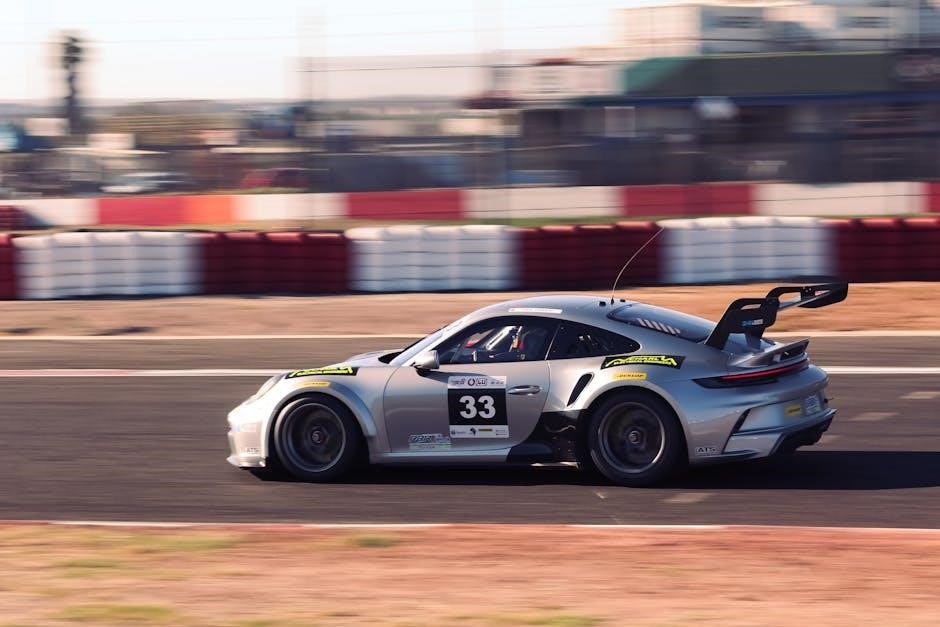
Early models‚ while innovative‚ are now showing their age and require careful inspection. Potential buyers must be acutely aware of the vehicle’s history and maintenance records. Notably‚ the 2010 Porsche Panamera Turbo currently has two active recalls‚ demanding immediate attention and resolution before purchase. These recalls highlight potential issues that prospective owners should investigate thoroughly.
Common concerns for this generation include potential oil leaks‚ cooling system vulnerabilities‚ and electronic component glitches. Despite these potential drawbacks‚ the first-generation Panamera offers an accessible entry point into Panamera ownership‚ particularly for those prioritizing a lower purchase price. However‚ factoring in potential repair costs is crucial for a realistic budget.
IV. Second Generation (2017-2023) ౼ Refinement and Technology
The second-generation Panamera (2017-2023) represented a significant leap forward‚ addressing many of the criticisms leveled at the first generation. Porsche focused heavily on refinement‚ technology integration‚ and driving dynamics‚ resulting in a more polished and competitive luxury sedan.
This generation introduced the Sport Turismo wagon variant‚ expanding the Panamera’s appeal to buyers seeking increased practicality. Furthermore‚ advancements in Porsche Communication Management (PCM) and driver assistance systems elevated the in-car experience. While recall data for this generation appears less prominent than the first‚ diligent pre-purchase inspections remain vital.
Potential buyers should scrutinize the condition of the air suspension system‚ as issues can be costly to repair. Additionally‚ checking the functionality of all electronic features‚ including the PCM and driver-assist technologies‚ is crucial. The second-generation Panamera strikes a compelling balance between luxury‚ performance‚ and technology‚ making it a desirable option for discerning buyers‚ but thorough due diligence is paramount.
V. Third Generation (2024-Present) ― Electrification and Modern Luxury
The latest Panamera (2024-Present) embodies Porsche’s commitment to electrification and modern luxury‚ marking a pivotal shift in the model’s evolution. This generation features a significantly updated design‚ both inside and out‚ alongside a greater emphasis on hybrid powertrains and advanced technology.
Porsche has expanded the E-Hybrid offerings‚ providing buyers with more choices for fuel efficiency and reduced emissions. The interior boasts a more minimalist aesthetic with enhanced connectivity and a fully digital driver’s display. Early reports suggest a focus on improved build quality and reliability‚ though long-term data is still emerging.
Potential owners should pay close attention to the performance and range of the hybrid systems‚ as well as the functionality of the new digital interfaces. While recall information is currently limited for this newest iteration‚ staying informed about any potential software updates or emerging issues is advisable. The third-generation Panamera represents a bold step forward‚ blending Porsche’s heritage with a forward-looking vision.
VI. Panamera Models & Trims Explained
Understanding the Panamera’s diverse model lineup is crucial for prospective buyers‚ as Porsche offers a wide spectrum of trims catering to varying preferences and budgets. The range begins with the base Panamera‚ providing a luxurious experience with respectable performance‚ and extends to the high-performance Turbo S models.
All-wheel-drive variants‚ denoted by ‘4’ or ‘4S’‚ enhance traction and stability‚ particularly beneficial in inclement weather. The E-Hybrid and Turbo S E-Hybrid models introduce plug-in hybrid technology‚ combining a gasoline engine with an electric motor for increased efficiency and power. Each trim level offers distinct features and performance characteristics.
Careful consideration of your driving needs and priorities will guide you towards the ideal Panamera configuration. Factors such as desired horsepower‚ fuel economy‚ and available technology should all influence your decision. Exploring the specific equipment packages offered within each trim is also recommended to maximize value and personalization.
VII. Base Panamera: Entry-Level Luxury
The base Panamera serves as an excellent introduction to the model range‚ delivering a compelling blend of luxury‚ performance‚ and Porsche engineering. While positioned as the entry point‚ it’s far from basic‚ offering a sophisticated driving experience and a well-appointed interior. It typically features a V6 engine‚ providing ample power for both daily commutes and spirited drives.
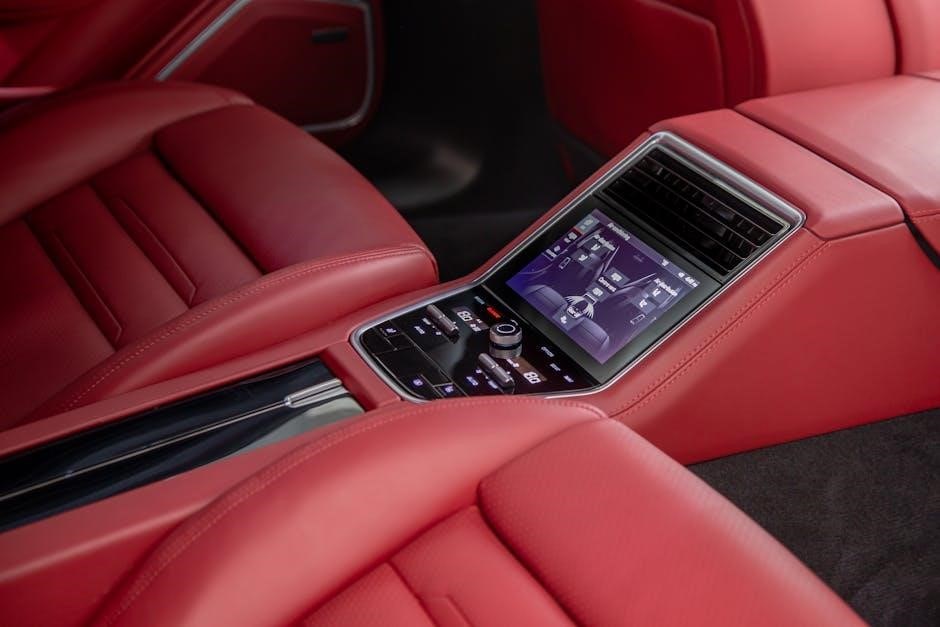
Standard features often include premium leather upholstery‚ advanced infotainment systems‚ and a comprehensive suite of safety technologies. Though it doesn’t boast the outright performance of higher trims‚ the base Panamera still offers a dynamic and engaging driving experience‚ characteristic of the Porsche brand. It’s an ideal choice for buyers prioritizing comfort and refinement.
Consider this model if you desire the Panamera prestige without the premium price tag of the more powerful variants. It represents a sweet spot for those seeking a luxurious and capable grand tourer‚ offering a taste of Porsche’s renowned performance pedigree.
VIII; Panamera 4/4S: All-Wheel Drive Performance
Stepping up from the base model‚ the Panamera 4 and 4S variants introduce Porsche’s intelligent all-wheel-drive system (PTM)‚ significantly enhancing traction and stability; This is particularly beneficial in inclement weather or for drivers seeking increased confidence on winding roads. The ‘4’ designation typically pairs with a V6 engine‚ while the ‘4S’ boasts a more potent V6 offering increased horsepower and performance.
The PTM system dynamically distributes torque between the front and rear axles‚ optimizing grip and handling characteristics. This results in improved acceleration and cornering capabilities‚ making these models a compelling choice for enthusiasts. Beyond the all-wheel drive‚ the 4 and 4S often include upgraded interior features and enhanced styling cues.
These trims strike a balance between luxury‚ performance‚ and all-weather capability‚ appealing to a broad range of buyers. They represent a significant upgrade over the base model‚ delivering a more engaging and confident driving experience without venturing into the territory of the high-performance Turbo models.
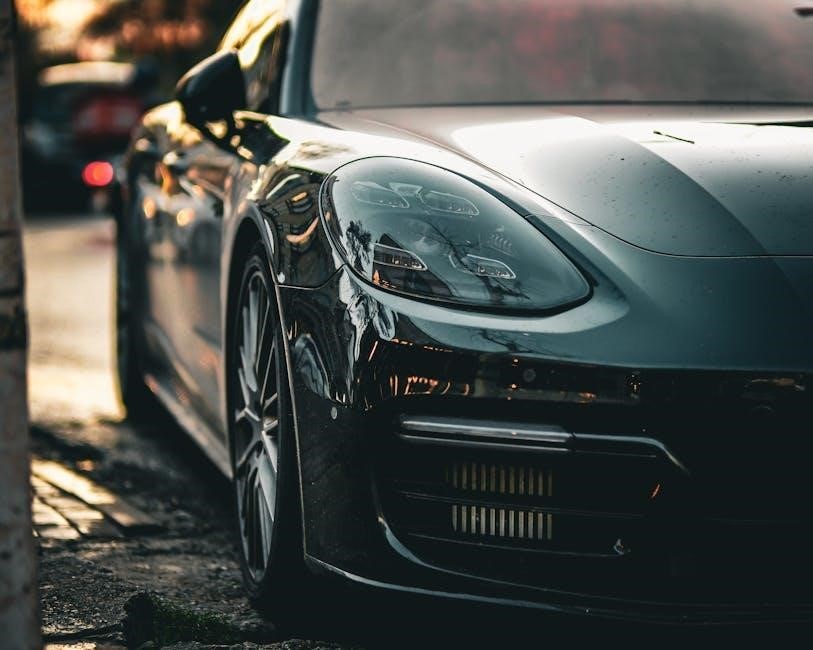
IX. Panamera Turbo/Turbo S: High-Performance Flagships
Representing the pinnacle of Panamera performance‚ the Turbo and Turbo S models are engineered for drivers who demand exhilarating power and uncompromising handling. These flagships are equipped with Porsche’s twin-turbocharged V8 engines‚ delivering substantial horsepower and torque figures that propel the car to impressive speeds.
The Turbo S‚ in particular‚ offers an even more aggressive tuning and enhanced performance features‚ including upgraded brakes‚ suspension components‚ and aerodynamic enhancements. Both models benefit from Porsche’s advanced chassis technology‚ such as Porsche Dynamic Chassis Control (PDCC) and active roll stabilization‚ minimizing body roll and maximizing cornering grip.
These trims are not merely about straight-line speed; they deliver a refined and engaging driving experience‚ blending raw power with Porsche’s signature precision and control. Expect a luxurious interior‚ cutting-edge technology‚ and a commanding presence on the road; The Turbo/Turbo S models cater to discerning buyers seeking the ultimate Panamera experience.
X. Panamera E-Hybrid/Turbo S E-Hybrid: Plug-In Hybrid Options
Porsche’s E-Hybrid and Turbo S E-Hybrid models represent a compelling blend of performance and efficiency‚ integrating electric power with the Panamera’s renowned driving dynamics. These plug-in hybrid variants combine a powerful combustion engine – typically a V6 or V8 – with an electric motor and a substantial battery pack‚ offering both all-electric driving range and enhanced overall fuel economy.
The Turbo S E-Hybrid delivers particularly impressive performance‚ boasting a combined system output that rivals traditional high-performance models. Drivers can select various driving modes‚ including a fully electric mode for short commutes and a hybrid mode that optimizes power and efficiency.
These models appeal to environmentally conscious buyers who don’t want to compromise on performance or luxury. Expect a sophisticated powertrain‚ advanced regenerative braking systems‚ and the convenience of electric charging. The E-Hybrid/Turbo S E-Hybrid trims showcase Porsche’s commitment to sustainable performance and innovative technology.
XI. Engine Options & Performance
The Porsche Panamera boasts a diverse range of engine options‚ catering to various performance preferences and driving styles. From efficient V6 engines to exhilarating V8 powerhouses and innovative hybrid powertrains‚ the Panamera delivers a driving experience tailored to individual needs. Performance figures vary significantly depending on the chosen engine and trim level.
Early Panamera models‚ like the 2010 Turbo‚ established Porsche’s commitment to high-performance sedans. Subsequent generations have refined these powertrains‚ increasing both power output and fuel efficiency. The Panamera’s engine lineup consistently prioritizes responsiveness‚ smooth power delivery‚ and a thrilling driving experience.
Porsche’s engineering prowess is evident in the meticulous tuning of each engine‚ ensuring optimal performance and reliability. Whether prioritizing fuel economy or outright speed‚ the Panamera offers a compelling powertrain option for every driver. Understanding these options is crucial when selecting the right Panamera for your needs.
XII. V6 Engines: Balancing Power and Efficiency
Porsche Panamera’s V6 engine options represent a sweet spot between exhilarating performance and commendable fuel efficiency. These engines‚ typically found in the base and 4/4S models‚ deliver ample power for both daily commuting and spirited driving. They provide a refined and responsive driving experience‚ characteristic of the Porsche brand.
The V6 powertrains have evolved across Panamera generations‚ with advancements in turbocharging and direct injection technology. These improvements have resulted in increased horsepower and torque figures‚ while simultaneously enhancing fuel economy. The V6 engines offer a compelling alternative to the more powerful V8 options‚ particularly for drivers prioritizing practicality.
These engines strike a harmonious balance‚ providing sufficient power for confident overtaking and highway cruising. They are also known for their smooth operation and relatively lower maintenance costs compared to the V8 variants. Choosing a V6 Panamera offers a blend of luxury‚ performance‚ and efficiency‚ making it an attractive option for many buyers.
XIII. V8 Engines: Unleashing Raw Power
For those seeking the ultimate in performance‚ the Porsche Panamera’s V8 engines deliver an unparalleled driving experience. Found in the Turbo and Turbo S models‚ these powerplants represent the pinnacle of engineering‚ offering breathtaking acceleration and a commanding presence on the road. They are designed for enthusiasts who demand the very best in power and responsiveness.
Throughout the Panamera’s history‚ the V8 engines have undergone significant development‚ with increased displacement and advanced turbocharging systems. These enhancements have resulted in substantial gains in horsepower and torque‚ transforming the Panamera into a true supercar rival. The V8 options provide an intoxicating soundtrack and a visceral connection to the driving experience.
However‚ this raw power comes with trade-offs‚ including higher fuel consumption and increased maintenance costs. The V8 engines require meticulous care and attention to ensure optimal performance and longevity. Despite these considerations‚ the sheer exhilaration and performance capabilities make the V8 Panamera a highly desirable choice for discerning drivers.
XIV. Hybrid Powertrains: Electric Boost and Fuel Economy
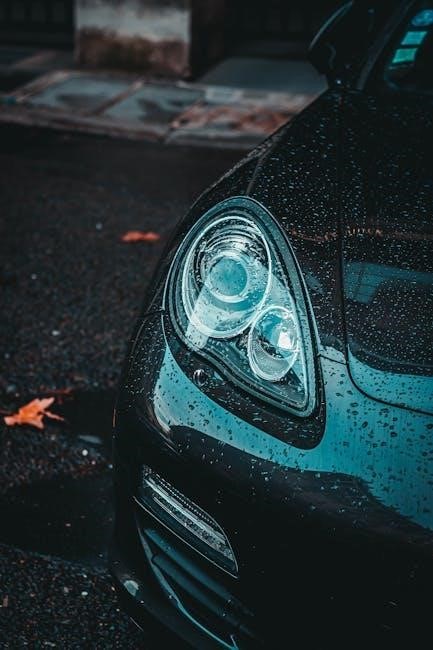
Porsche’s Panamera E-Hybrid and Turbo S E-Hybrid models represent a compelling blend of performance and efficiency‚ integrating electric power with traditional combustion engines. These powertrains offer a unique driving experience‚ providing instant torque from the electric motor and reducing reliance on gasoline. They cater to buyers seeking a more sustainable and economical luxury sedan without sacrificing performance.
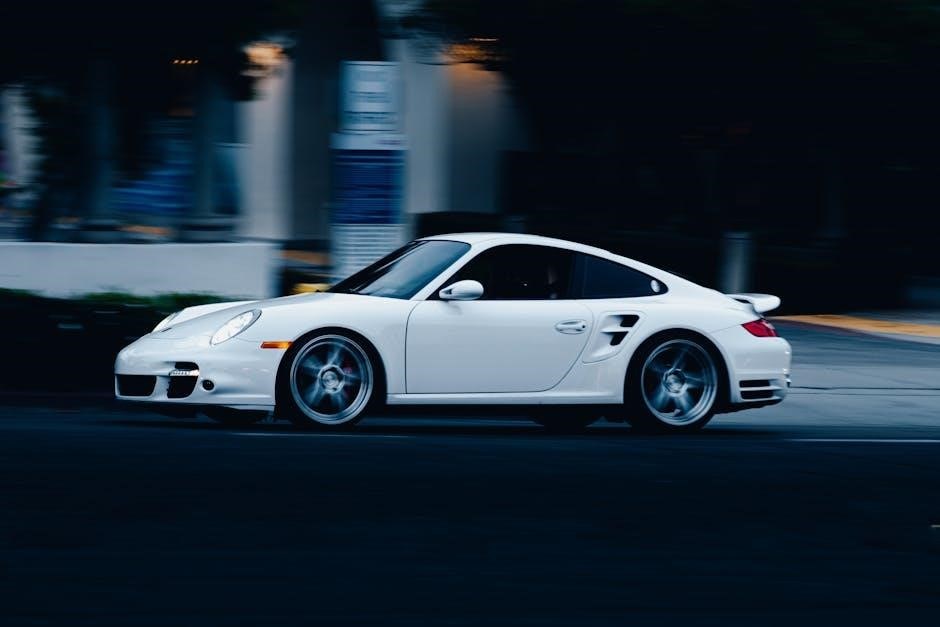
The hybrid systems utilize a combination of a V6 or V8 engine paired with an electric motor and a lithium-ion battery pack. This configuration allows for all-electric driving in certain conditions‚ significantly improving fuel economy and reducing emissions. The electric boost also enhances acceleration‚ providing an extra surge of power when needed.
However‚ potential buyers should be aware of the added complexity of hybrid systems‚ which may result in higher maintenance costs. Battery life and replacement costs are also important considerations. Despite these factors‚ the Panamera’s hybrid powertrains offer a sophisticated and environmentally conscious alternative to traditional gasoline engines.
XV. Key Features & Technology
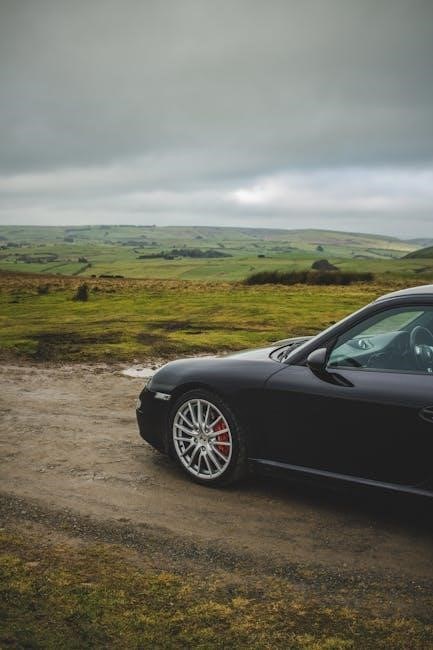
The Porsche Panamera boasts a suite of advanced features and cutting-edge technology designed to enhance both the driving experience and passenger comfort. Central to this is the Porsche Communication Management (PCM) system‚ a sophisticated infotainment platform offering navigation‚ connectivity‚ and control over vehicle functions.
Beyond infotainment‚ the Panamera incorporates a comprehensive array of driver assistance systems. Porsche Active Suspension (PAS) optimizes ride quality and handling‚ while Lane Keep Assist and other safety features provide an added layer of security. These technologies contribute to a more confident and controlled driving experience.
Inside‚ the Panamera prioritizes luxury and comfort. Premium materials‚ meticulously crafted interiors‚ and customizable options create a refined atmosphere. Features like adaptive cruise control‚ premium audio systems‚ and massaging seats further elevate the in-cabin experience‚ solidifying the Panamera’s position as a top-tier luxury vehicle.
XVI. Porsche Communication Management (PCM) System
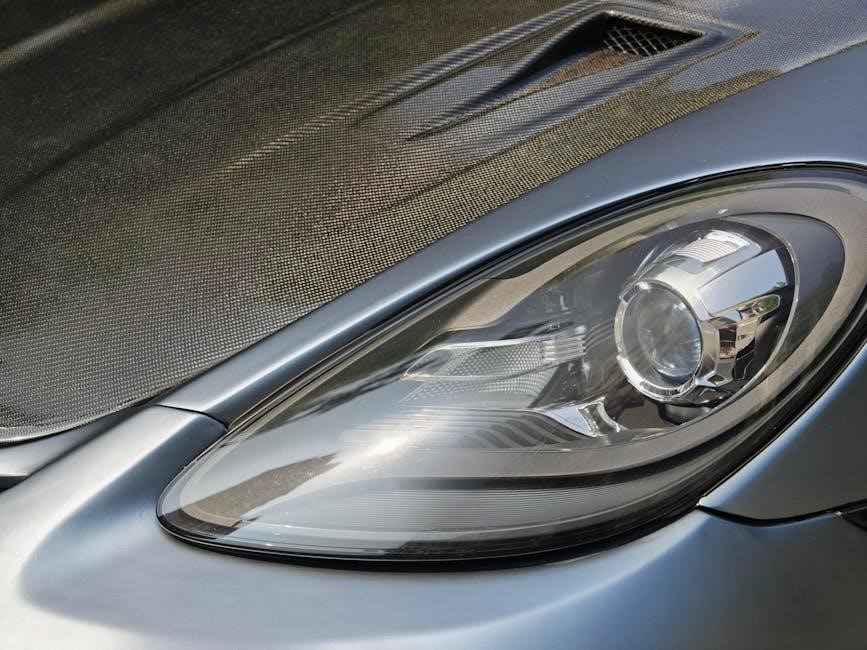
The Porsche Communication Management (PCM) system serves as the central nervous system of the Panamera‚ integrating navigation‚ entertainment‚ and vehicle control into a single‚ intuitive interface. Early iterations‚ found in the first and second generations‚ featured a touchscreen display‚ while newer models boast larger‚ higher-resolution screens with improved responsiveness.
PCM offers seamless smartphone integration via Apple CarPlay and Android Auto‚ allowing drivers to access their favorite apps and services directly on the vehicle’s display. Navigation is robust‚ providing real-time traffic updates and dynamic route recalculation. Connectivity options include Bluetooth for hands-free calling and audio streaming.
Later PCM versions incorporate voice control‚ enabling drivers to operate functions without taking their hands off the wheel. Over-the-air software updates ensure the system remains current with the latest features and improvements. The PCM system is a cornerstone of the Panamera’s technological prowess‚ enhancing both convenience and enjoyment.
XVII. Driver Assistance Systems (PAS‚ Lane Keep Assist‚ etc.)
Porsche equips the Panamera with a comprehensive suite of driver assistance systems designed to enhance safety and convenience. Porsche Active Safe (PAS) is a standard feature‚ utilizing radar and camera technology to detect potential collisions and initiate emergency braking. Lane Keep Assist helps drivers stay within their lane markings‚ providing gentle steering corrections when necessary.
Adaptive Cruise Control maintains a set distance from the vehicle ahead‚ automatically adjusting speed to match traffic flow. Surround View provides a 360-degree perspective of the vehicle’s surroundings‚ aiding in parking and maneuvering in tight spaces. ParkAssist automates the parking process‚ steering the vehicle into available spots.
Night Vision Assist enhances visibility in low-light conditions‚ detecting pedestrians and animals beyond the range of headlights. These systems evolve with each generation‚ becoming more sophisticated and effective. Regularly check for software updates to ensure optimal performance of these crucial safety features.
XVIII. Interior Comfort & Luxury Features
The Porsche Panamera’s interior is a testament to luxury and craftsmanship‚ offering a refined experience for both driver and passengers. Premium leather upholstery is standard‚ with a wide range of customization options available‚ including contrasting stitching and personalized embossing. Multi-way adjustable seats provide exceptional comfort and support‚ with optional massage and ventilation functions.
The cabin boasts a spacious layout‚ even for rear-seat occupants‚ and offers ample storage compartments. A panoramic sunroof floods the interior with natural light‚ enhancing the sense of openness. The Burmester high-end surround sound system delivers an immersive audio experience.
Ambient lighting creates a sophisticated atmosphere‚ with customizable color options. Four-zone automatic climate control ensures optimal temperature regulation throughout the cabin. Buyers can also opt for features like heated steering wheel‚ rear-seat entertainment systems‚ and executive rear-seat packages for an even more luxurious experience.
XIX. Common Issues & Reliability (Based on Recall Data & Owner Reports)
Potential buyers should be aware of reported issues and existing recalls affecting the Porsche Panamera. As of today‚ April 22‚ 2026‚ there are two active recalls for the vehicle‚ demanding immediate attention. These recalls necessitate checking the National Highway Traffic Safety Administration (NHTSA) website for specific details and required actions.
Owner reports frequently cite concerns regarding the cooling system‚ particularly with earlier models‚ leading to potential overheating. Electrical glitches‚ including issues with the infotainment system and power windows‚ have also been noted. Some owners have experienced problems with the air suspension system‚ resulting in costly repairs.
Furthermore‚ the Porsche Panamera’s complex technology can be prone to failures‚ requiring specialized diagnostic equipment and skilled technicians. Regular maintenance‚ adhering to Porsche’s recommended service intervals‚ is crucial for mitigating potential issues and ensuring long-term reliability. A pre-purchase inspection by a qualified Porsche mechanic is highly recommended.
XX. Pre-Purchase Inspection Checklist & Considerations
A thorough pre-purchase inspection is paramount when considering a used Porsche Panamera‚ given the vehicle’s complexity and potential for expensive repairs. Prioritize a qualified Porsche technician familiar with the model’s nuances.
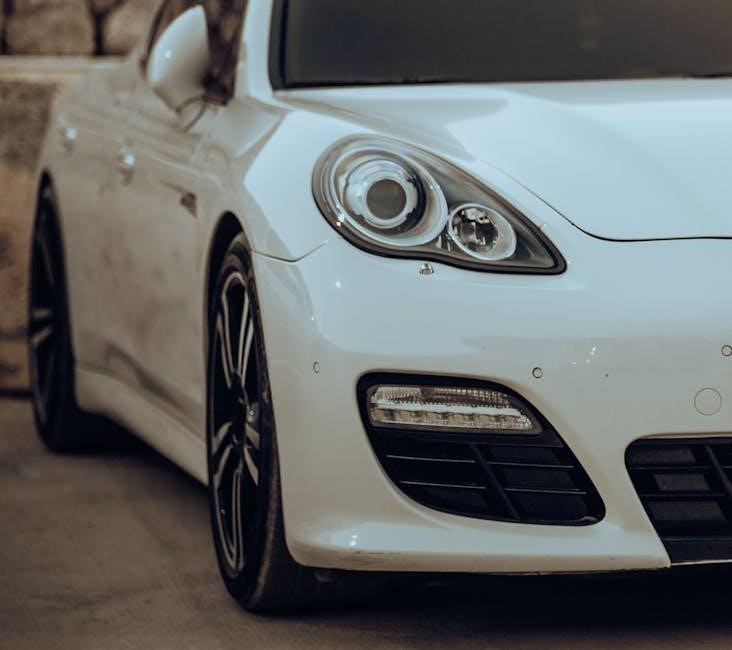
Begin with a comprehensive scan for diagnostic trouble codes (DTCs)‚ revealing hidden issues. Inspect the cooling system meticulously for leaks or signs of overheating‚ a common concern. Verify the functionality of all electrical components – infotainment‚ windows‚ and driver assistance systems.
Examine the air suspension for leaks and proper operation‚ and scrutinize the vehicle’s history report for accident damage or inconsistent maintenance records. Confirm all recall work has been completed‚ referencing the NHTSA website. Don’t overlook a detailed inspection of the engine and transmission‚ checking for fluid leaks and unusual noises. Finally‚ assess the condition of the tires and brakes‚ factoring potential replacement costs into your budget.