

Ford 4-Speed Manual Transmission with Granny Gear: A Comprehensive Overview
Peter’s passion for driving, riding, and storytelling blends with archeology and creative writing, offering a unique perspective on this classic Ford transmission.
The Ford 4-speed manual transmission, particularly those equipped with a “granny gear,” represents a fascinating piece of automotive history. These transmissions were commonly found in Ford trucks and tractors, offering a robust and versatile solution for demanding applications. Peter, blending his archeological background with a love for vehicles, highlights the transmission’s significance.
This configuration provided drivers with an exceptionally low gear ratio, ideal for steep inclines, heavy loads, or navigating challenging terrain. The “granny gear” wasn’t about speed; it was about maximizing torque. It allowed older Ford vehicles to conquer obstacles that would stall lesser transmissions. This overview will delve into the specifics of this transmission, exploring its history, operation, and enduring appeal.
Historical Context: Origins and Applications
The need for a truly low gear ratio spurred the development of the Ford 4-speed with a granny gear, emerging in the mid-20th century. Initially, these transmissions found widespread use in Ford trucks – the F-Series, particularly – and agricultural applications like Ford tractors. Peter’s background informs an appreciation for the engineering challenges of the time.
Early applications demanded significant torque for tasks like hauling heavy loads and navigating rough terrain. The granny gear provided this, becoming essential for farmers and tradespeople. As vehicle designs evolved, the transmission continued to be refined, though its prevalence decreased with the rise of automatic transmissions and more sophisticated gearboxes. Its legacy remains strong among enthusiasts.
What is a “Granny Gear”? Defining the Low Ratio
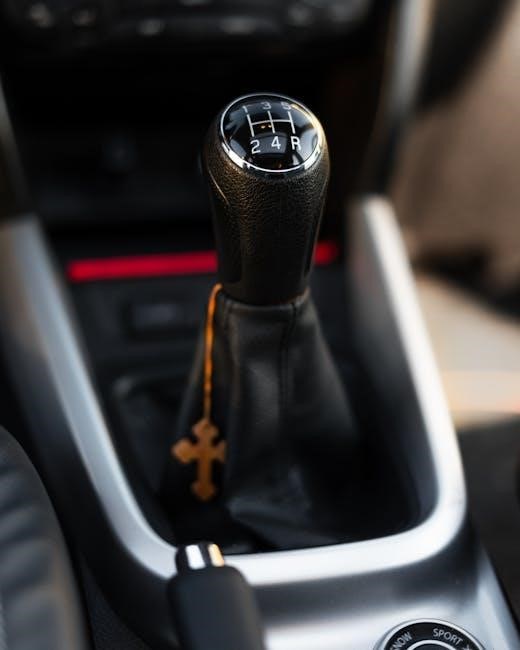
The term “granny gear” affectionately describes the exceptionally low first gear found in these Ford transmissions. It’s a colloquialism referencing a slower pace, suitable for careful maneuvering. Technically, it’s characterized by a significantly higher numerical gear ratio – often exceeding 6:1 or even 7:1 – compared to standard first gears.
This high ratio dramatically increases torque multiplication, allowing the vehicle to overcome substantial resistance at very low speeds. Peter’s storytelling background helps convey the practical implications. It’s ideal for steep inclines, deep mud, or pulling heavy loads. While sacrificing speed, the granny gear prioritizes raw pulling power, a crucial feature for its original applications.
Technical Specifications and Identification
Delving into model numbers, gear ratios, and case materials provides crucial details for identifying and understanding these robust Ford transmissions’ inner workings.
Identifying Ford Transmissions with Granny Gears (Model Numbers)
Pinpointing a Ford 4-speed with a granny gear often begins with the transmission case identification tag. Common model numbers include the T18, T19, and NP435, though variations exist. The T18 is frequently found in early Broncos and F-Series trucks, known for its durability. The NP435, a heavier-duty option, appeared in larger trucks and offered increased strength.
Decoding these numbers can be tricky, as Ford utilized different revisions and applications. Look for specific casting numbers on the case itself, often near the mounting flange. These numbers, when cross-referenced with Ford parts catalogs, reveal the exact transmission variant and its original vehicle application. Careful observation of the input and output shaft spline counts also aids in positive identification, distinguishing between different models and their compatibility.
Gear Ratios: Detailed Breakdown of Each Gear
The Ford 4-speed with granny gear boasts a wide spread, prioritizing low-end torque. Typically, first gear (the granny gear) features a ratio around 6.67:1, providing exceptional crawling ability. Second gear usually falls around 3.09:1, offering a substantial step up in speed. Third gear commonly sits at 1.68:1, suitable for cruising at moderate speeds. Finally, fourth gear (overdrive) is often around 1:1, or slightly lower, for efficient highway driving.
These ratios vary slightly depending on the specific transmission model (T18, T19, NP435) and its intended application. Understanding these ratios is crucial for optimizing performance, whether tackling challenging terrain or maximizing fuel economy on the road.
Common Case Materials and Distinguishing Features
Ford’s 4-speed transmissions with granny gears predominantly utilized cast iron cases, renowned for their durability and ability to withstand significant stress. The NP435, a popular variant, is easily identified by its robust, ribbed case design. Earlier models, like the T18 and T19, also feature cast iron, though with slightly different ribbing patterns and overall shapes.
Distinguishing features include the prominent lower housing for the granny gear mechanism and the typically larger overall size compared to standard 3-speed transmissions. Identifying tags, when present, provide crucial model numbers. Case color can also offer clues, though repainting is common, making tags the most reliable method of identification.

Operation and Driving Experience
Mastering this transmission requires understanding the unique placement of the granny gear, offering exceptional low-speed control and torque for challenging terrains.
How to Properly Utilize the Granny Gear
Engaging the granny gear isn’t simply about shifting into the lowest possible gear; it’s a deliberate technique. Approach slow, technical obstacles – steep inclines, deep mud, or rocky terrain – with momentum, then smoothly transition into granny gear before losing speed.
Avoid abrupt engagement, as this can shock the drivetrain. Feather the throttle gently; the immense torque multiplication means minimal pedal input yields significant wheel movement.
Granny gear excels in situations demanding precise control at very low speeds. It’s not for highway driving! Remember to disengage it promptly once the obstacle is cleared to prevent unnecessary strain and maintain reasonable road speed. Practice makes perfect, building confidence and finesse.
Benefits of the Granny Gear: Torque Multiplication and Off-Roading
The primary benefit of a granny gear lies in its substantial torque multiplication. This allows the engine to operate within its optimal power band, even at extremely low vehicle speeds, overcoming significant resistance. For off-roading, this translates to conquering steep inclines and navigating challenging obstacles with greater control and less strain on the engine and drivetrain.
It minimizes wheel spin, maximizing traction on loose surfaces. The low gear ratio also provides engine braking, aiding in controlled descents. Essentially, the granny gear transforms a vehicle into a capable, low-speed powerhouse, ideal for demanding terrain.
Driving Techniques for Optimal Performance
Mastering the Ford 4-speed with a granny gear requires deliberate technique. Avoid abrupt shifts, especially into and out of the low gear. Gentle clutch engagement and throttle control are crucial to prevent jerking or stalling; Anticipate terrain changes and select the appropriate gear before encountering obstacles.
When using the granny gear, maintain a steady, low speed. Avoid excessive RPMs, as this can overheat the transmission. Downshift progressively through the gears, matching engine speed to vehicle speed for smooth transitions. Practice smooth heel-toe downshifting for enhanced control and efficiency.

Applications in Ford Vehicles
This versatile transmission found its way into Ford trucks, Broncos, early Super Duties, and even tractors, offering robust performance across diverse applications.
Ford Trucks: F-Series, Bronco, and Early Super Duty
The Ford 4-speed with granny gear was a staple in many Ford trucks, particularly the F-Series, offering exceptional low-end torque for hauling and work duties. It proved invaluable in the rugged Bronco, enhancing its off-road capability by providing a significantly reduced gear ratio for challenging terrain.
Early Super Duty models also utilized this transmission, bridging the gap before more modern options became prevalent. The granny gear allowed drivers to confidently navigate steep inclines, mud, and other demanding conditions. Its presence in these trucks speaks to its durability and effectiveness in heavy-duty applications, making it a favorite among enthusiasts and working professionals alike.
Ford Tractors: Popular Models Utilizing the Transmission
Ford tractors extensively employed the 4-speed manual transmission with a granny gear, recognizing its benefits for agricultural work. Models like the Ford 8N, 9N, and later the Ford 2000, 3000, and 4000 series frequently featured this gearbox. The low “granny” gear provided exceptional control and pulling power at very slow speeds, crucial for tasks like plowing, cultivating, and loader work.
This transmission allowed operators to precisely manage power delivery, preventing wheel spin and maximizing efficiency. Its robust construction ensured reliability in demanding farm environments, making it a cornerstone of Ford’s tractor lineup for decades. The granny gear remains a sought-after feature among vintage tractor collectors and users.
Other Ford Vehicle Applications (Cars, Vans)
While predominantly found in trucks and tractors, the Ford 4-speed with granny gear saw limited use in certain car and van applications. Early Ford vans, particularly those intended for commercial or heavy-duty use, sometimes featured this transmission for increased low-end torque. Certain full-size Ford cars, especially those offered with six-cylinder engines, could also be optioned with it.
These applications were less common due to the transmission’s size and the preference for smoother shifting in passenger vehicles. However, it provided a valuable option for drivers needing extra pulling power or navigating challenging terrain. Its presence in these vehicles is relatively rare today, adding to their collectibility.

Common Problems and Troubleshooting
Worn synchronizers, shift linkage issues, and difficulties engaging the granny gear are frequent concerns requiring careful diagnosis and repair for optimal function.
Worn Synchronizers: Symptoms and Solutions
Identifying worn synchronizers within the Ford 4-speed with granny gear often presents with noticeable symptoms during shifting. A common indicator is grinding when attempting to engage gears, particularly second and third. This occurs because the synchronizers, responsible for matching gear speeds, are failing to properly synchronize before the engagement.
Difficulty finding the gear, a double-clutching sensation, or a general “notchy” feel during shifts can also point to synchronizer wear. Solutions range from careful driving techniques – avoiding aggressive shifts – to a complete transmission rebuild. Replacement synchronizer rings are available, but the rebuild process requires specialized tools and knowledge. Ignoring the issue can lead to further damage to the gears themselves, escalating repair costs significantly.
Shift Linkage Issues: Adjustment and Repair
Problems with the shift linkage on a Ford 4-speed with granny gear frequently manifest as imprecise shifting, where the gear lever doesn’t cleanly select the desired gear. This can range from slight difficulty to complete inability to engage certain gears. Often, the issue stems from worn or loose linkage components – bushings, rods, or the linkage at the transmission itself.
Adjustment is often the first step, ensuring proper alignment and travel. However, worn bushings require replacement, and bent or damaged rods need repair or substitution. Inspecting the linkage for play is crucial. A complete rebuild of the linkage, including new bushings and potentially welding repairs, can restore smooth and accurate shifting; Neglecting these issues can lead to further stress on the transmission internals.
Granny Gear Engagement Problems: Causes and Fixes
Difficulty engaging the “granny gear” – the exceptionally low first gear – is a common issue with these transmissions. Often, this arises from a combination of factors. The shift linkage specifically for granny gear can become misaligned or worn, preventing full engagement. Internal transmission components, like the shift forks or synchronizers dedicated to that gear, may also be worn or damaged.
Fixes involve a thorough inspection of the linkage, adjusting or replacing worn parts. Internally, a transmission rebuild might be necessary to address damaged shift forks or synchronizers. Low fluid levels or incorrect fluid type can exacerbate the problem, so a fluid change is a good starting point. Ensuring proper cable tension (if applicable) is also vital for smooth granny gear operation.
Rebuilding and Restoration
Restoring these transmissions requires sourcing specific parts and careful attention to detail, ensuring the unique granny gear mechanism functions flawlessly for years to come.
Sourcing Parts for Rebuilds: Availability and Suppliers
Finding parts for a Ford 4-speed with a granny gear can present challenges due to its age and limited production run. Original Ford parts are becoming increasingly scarce, often requiring diligent searching through salvage yards and online marketplaces. Several specialized suppliers cater to vintage Ford transmissions, offering rebuilt components, individual parts like synchronizers and gears, and complete rebuild kits.
Popular online resources include eBay, dedicated Ford parts forums, and websites specializing in classic truck and tractor parts. Local transmission shops with experience in older vehicles may also be able to source or fabricate needed components. Patience and persistence are key, as availability fluctuates. Expect to pay a premium for NOS (New Old Stock) parts when available, ensuring authenticity and quality for your restoration project.
Step-by-Step Rebuild Overview (Simplified)
A Ford 4-speed with granny gear rebuild begins with complete disassembly, carefully documenting gear positions and shim placements. Inspect all components for wear – gears, bearings, synchronizers, and the shift linkage. Clean each part thoroughly, removing old grease and debris. Reassembly requires meticulous attention to detail, starting with the installation of new bearings and seals.
Proper gear mesh and bearing preload are critical; utilize a torque wrench and follow a service manual’s specifications. Adjust synchronizers and ensure smooth shifting action. Finally, re-install the shift linkage and verify correct operation, including positive granny gear engagement. A bench test before installation confirms functionality, preventing issues post-installation.
Common Rebuild Mistakes to Avoid
During a Ford 4-speed with granny gear rebuild, neglecting proper cleaning is a frequent error, leading to premature wear. Incorrectly installed synchronizers cause grinding shifts, while overlooking worn bearings results in noise and potential failure. Ignoring gear backlash specifications impacts performance and longevity.
Furthermore, improper torqueing of fasteners can lead to leaks or component damage. Failing to thoroughly inspect the case for cracks or damage compromises structural integrity. Reusing old seals and gaskets is a common shortcut that often leads to leaks. Finally, skipping a bench test before installation risks discovering issues only after re-installation.
Modifications and Upgrades
Enhancements range from cosmetic shift knob replacements to substantial gear ratio swaps and transmission adapters, catering to diverse performance and engine swap goals.
Aftermarket Shift Knobs and Handles
Upgrading the shift knob and handle is often the first modification owners undertake, offering both aesthetic and ergonomic improvements. Original Ford knobs can become worn or simply lack a desired style. Aftermarket options are incredibly diverse, ranging from classic designs mirroring the original aesthetics to modern, weighted knobs crafted from materials like aluminum, brass, or even wood.
Weighted knobs can improve shift feel by increasing rotational inertia, making gear selection more deliberate and precise. Different handle styles, such as extended or bent levers, can alter the shift throw and leverage, potentially enhancing driving comfort. Installation is typically straightforward, often requiring only the removal of the existing knob and tightening of the new one onto the shift lever. Consider the overall interior style and desired driving experience when selecting an aftermarket shift knob and handle.
Gear Ratio Swaps: Considerations and Options
Altering the gear ratios within a Ford 4-speed with a granny gear involves swapping the internal gears, a complex undertaking best left to experienced transmission builders. The primary goal is usually to optimize the transmission for specific applications – higher ratios for improved acceleration and lower cruising speeds, or lower ratios for enhanced towing and off-road capability.
Considerations include the engine’s torque curve, vehicle weight, and intended use. Changing ratios significantly impacts the overall drivetrain, potentially requiring adjustments to the rear axle gears to maintain optimal performance. Options range from swapping individual gears to complete gear sets. It’s crucial to ensure compatibility between the new gears and the existing transmission components, and proper setup is vital to avoid noise, wear, and shifting issues.
Transmission Adapters for Engine Swaps
Employing a Ford 4-speed with granny gear in an engine swap requires careful consideration of adapter plates. These adapters bridge the gap between the engine’s bellhousing pattern and the transmission’s input shaft. Availability varies significantly depending on the engine being swapped; popular options exist for Ford small-block and big-block engines, but less common swaps may necessitate custom fabrication.
Crucially, adapters must accurately align the transmission to prevent premature wear and ensure smooth operation. Pilot bearing/bushing compatibility and clutch linkage adjustments are also vital. Adapters often dictate the clutch type required. Thorough research and selecting a high-quality adapter from a reputable supplier are paramount for a successful and reliable engine swap utilizing this classic transmission.

Maintenance and Fluid Recommendations
Regular inspections and fluid changes are vital for longevity. Use appropriate gear oil, checking for leaks and ensuring proper levels for optimal performance.
Recommended Fluid Types and Change Intervals
For Ford 4-speed transmissions with a granny gear, specifying the correct fluid is crucial for smooth operation and longevity. Historically, Ford recommended a 90W gear oil, but modern synthetic alternatives offer superior performance. Consider a GL-4 rated 75W-90 synthetic gear oil for enhanced cold-weather performance and improved protection against wear.
Change intervals depend heavily on usage. For typical street driving, a fluid and filter change every 30,000 to 50,000 miles is recommended. However, if the transmission experiences heavy use – such as frequent towing, off-roading, or competitive driving – shorten the interval to 15,000 to 30,000 miles. Always inspect the fluid for metal shavings or a burnt smell, indicating potential internal damage requiring immediate attention.
External Inspection Checklist
A thorough external inspection of your Ford 4-speed with a granny gear is vital for preventative maintenance. Begin by checking for fluid leaks around the transmission case, input and output shafts, and the shifter linkage. Inspect the shift linkage for looseness or damage, ensuring smooth and precise gear selection. Examine the transmission mount for cracks or deterioration, as a failing mount can cause excessive vibration.
Next, visually inspect the transmission case for any signs of physical damage, such as dents or cracks. Check the speedometer cable connection for security and proper function. Finally, ensure the transmission cooler lines (if equipped) are free from leaks and kinks. Regular inspections can identify minor issues before they escalate into costly repairs.
Preventative Maintenance Tips
To ensure the longevity of your Ford 4-speed manual transmission with a granny gear, consistent preventative maintenance is key. Regularly check and maintain the correct fluid level, using the manufacturer’s recommended fluid type. Avoid harsh shifting and “speed shifting,” as this puts undue stress on the synchronizers. Periodically inspect the shift linkage for wear and adjust as needed to maintain precise gear engagement.
Consider a fluid and filter change every 30,000 miles, or more frequently if used in demanding conditions like off-roading or towing. Listen for unusual noises during operation, which could indicate internal wear. Addressing small issues promptly prevents them from becoming major, expensive repairs. Proper care extends the life of this robust transmission.

Resources and Further Information
Dive deeper with online forums, detailed parts catalogs, and original technical manuals to unlock the full potential of your Ford transmission!
Online Forums and Communities
Engaging with fellow enthusiasts is invaluable when researching the Ford 4-speed with granny gear. Numerous online forums dedicate sections to classic Ford transmissions, offering a wealth of knowledge from experienced owners and restorers. These communities are excellent resources for troubleshooting, identifying parts, and learning about specific model quirks.
Ford truck and tractor forums often have dedicated transmission threads, while general classic car forums can provide broader insights. Expect to find detailed discussions on rebuilds, modifications, and common issues. Don’t hesitate to ask questions – most members are eager to share their expertise. Active participation can significantly accelerate your understanding and help you avoid costly mistakes during restoration or repair projects. Remember to utilize the search function before posting!
Parts Catalogs and Diagrams
Locating accurate parts catalogs and detailed diagrams is crucial for successful rebuilding or restoration of the Ford 4-speed with granny gear. Original Ford parts books, often available as reprints or digital scans, provide exploded views and part numbers for every component. These catalogs are invaluable for identifying correct replacements and understanding the transmission’s internal layout.
Several aftermarket suppliers also offer comprehensive parts diagrams, often with cross-references to modern equivalents. Online resources and vintage parts dealers frequently host these catalogs. Careful study of these diagrams will aid in disassembly, reassembly, and identifying worn or damaged parts. Always verify part numbers before ordering to ensure compatibility and avoid delays in your project.
Technical Manuals and Service Bulletins
Genuine Ford technical manuals and service bulletins are essential resources for anyone working on this transmission. These manuals provide detailed specifications, torque values, diagnostic procedures, and step-by-step repair instructions. They cover everything from basic disassembly to complex troubleshooting, ensuring accurate and safe repairs.
Service bulletins often address common issues or revisions to original procedures, offering valuable insights gained from field experience. Locating these resources can be challenging, but online forums, dedicated Ford parts suppliers, and specialized publishing houses often offer reprints or digital versions. Utilizing these official documents significantly increases the likelihood of a successful and reliable restoration.