
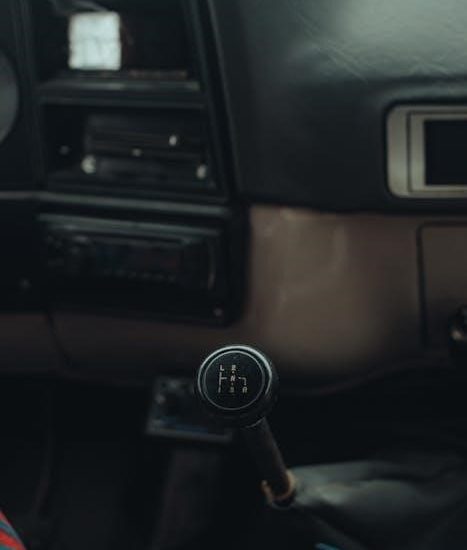
Embarking on manual transmission driving lessons in 2026 offers a unique skill, despite declining popularity, with over 1.8 million tests taken last year.
Why Learn Manual in 2026?
Despite the rise of automatics and the impending 2035 ban on new petrol/diesel cars in the UK, learning manual in 2026 still holds value. It provides a deeper connection to the driving experience, enhancing control and engagement. While some auto journalists admit difficulty with manuals, mastering one offers a skillset increasingly rare.
Furthermore, a significant number of used vehicles – cars, trucks, and SUVs – still feature manual transmissions, offering affordable options. Learning manual broadens your vehicle choices and provides a valuable skill for enthusiasts. Even with the shift towards zero-emission vehicles, the appeal of a manual gearbox remains strong for those who cherish the art of driving.
The Declining Popularity of Manual Transmissions
The manual transmission is undeniably becoming less common, often compared to going “the way of the dodo.” This decline is fueled by the convenience of automatic transmissions and the growing adoption of electric vehicles. The UK’s Zero Emission Vehicle Mandate, aiming for a 2035 ban on new ICE cars, accelerates this trend.
However, despite this shift, a substantial market for used manual vehicles persists. While new car options dwindle, many affordable and reliable cars still feature stick shifts. This decreasing popularity doesn’t negate the benefits of learning manual, but acknowledges a changing automotive landscape.
Pre-Lesson Preparation
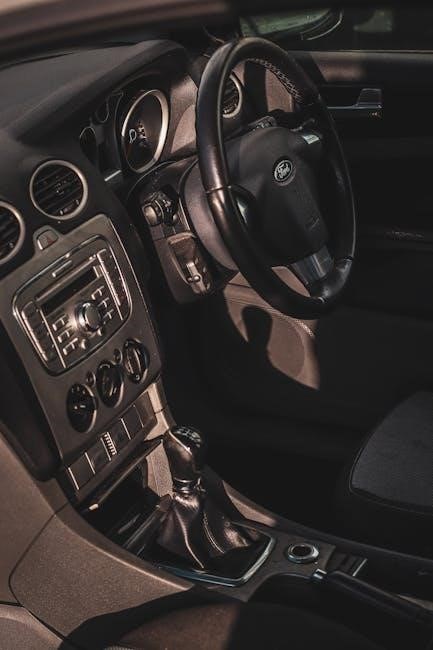
Before starting, understand the vehicle’s components and familiarize yourself with the gear stick pattern for a smoother learning experience and increased confidence.
Understanding Vehicle Components
Before you even think about engaging first gear, a foundational understanding of the vehicle’s key components is absolutely crucial. This isn’t just about knowing what they are, but how they interact during manual driving. Specifically, focus on the clutch pedal – its purpose is to disconnect the engine from the wheels, allowing for gear changes.
The gear stick itself, with its specific pattern, controls which gear the car is in, dictating the power delivery. The accelerator and brake pedals, while present in automatic vehicles, require a more nuanced coordination with the clutch in a manual. Finally, understanding the engine’s response to throttle input is vital for smooth operation. Knowing these elements will dramatically improve your learning curve.
Familiarizing Yourself with the Gear Stick Pattern
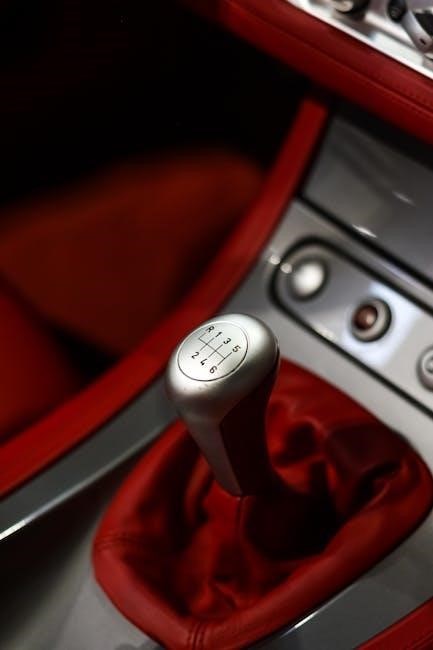
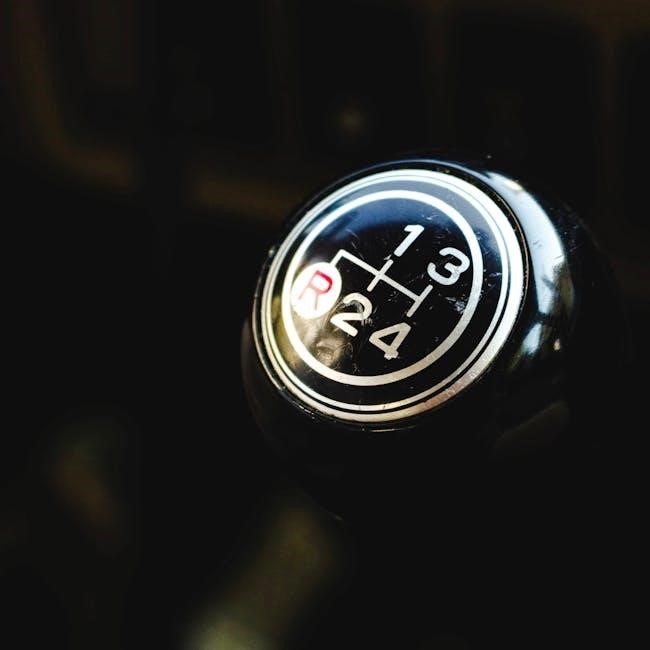
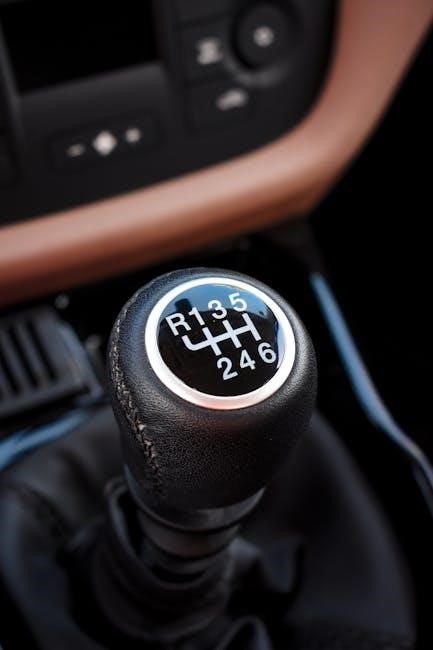
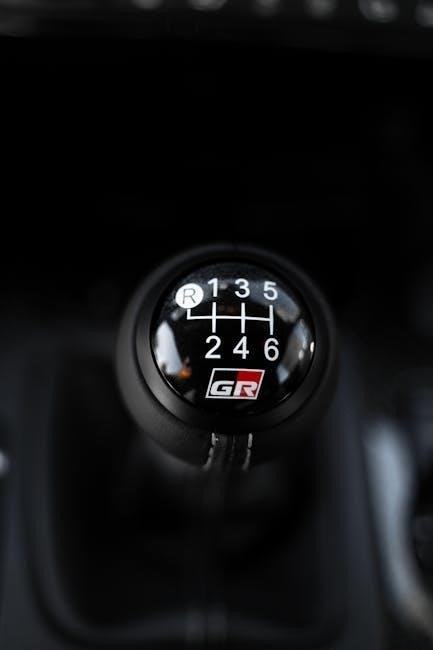
The gear stick pattern is the roadmap to controlling your vehicle, and mastering it before starting the engine is paramount. Most manual cars follow a standard “H” pattern, but variations exist, so always confirm the layout for the specific vehicle you’re learning in.
Visualize the pattern – first gear typically located up and to the left, second down and to the left, third straight up, and so on; Practice moving the stick through the pattern with the engine off to build muscle memory. Understanding where each gear resides prevents accidental shifts and promotes smoother, more confident driving. This initial familiarization is a key step.
The Core Skills: Getting Started
Successfully initiating movement requires mastering the engine start, friction point identification, and achieving smooth first-gear engagement – foundational skills for manual drivers.
Starting the Engine (Without Stalling!)
The initial hurdle for many learners is starting the engine without immediately stalling. Ensure the handbrake is engaged and the gear stick is in neutral. Gently depress the clutch pedal fully to the floor. Turn the ignition key, and as the engine begins to turn over, maintain a steady pressure on the clutch.
Avoid releasing the clutch too quickly, as this is a primary cause of stalling. A smooth, controlled release, combined with a slight touch on the accelerator, is key; Remember, practice makes perfect; repeated attempts will build muscle memory and confidence. Don’t be discouraged by initial stalls – they are a normal part of the learning process!
Finding the Friction Point
Locating the friction point is crucial for smooth starts and gear changes. With the engine running and the clutch fully depressed, slowly release the clutch pedal. Pay close attention to the engine’s sound and feel – you’ll notice a slight change as the clutch begins to engage with the engine.
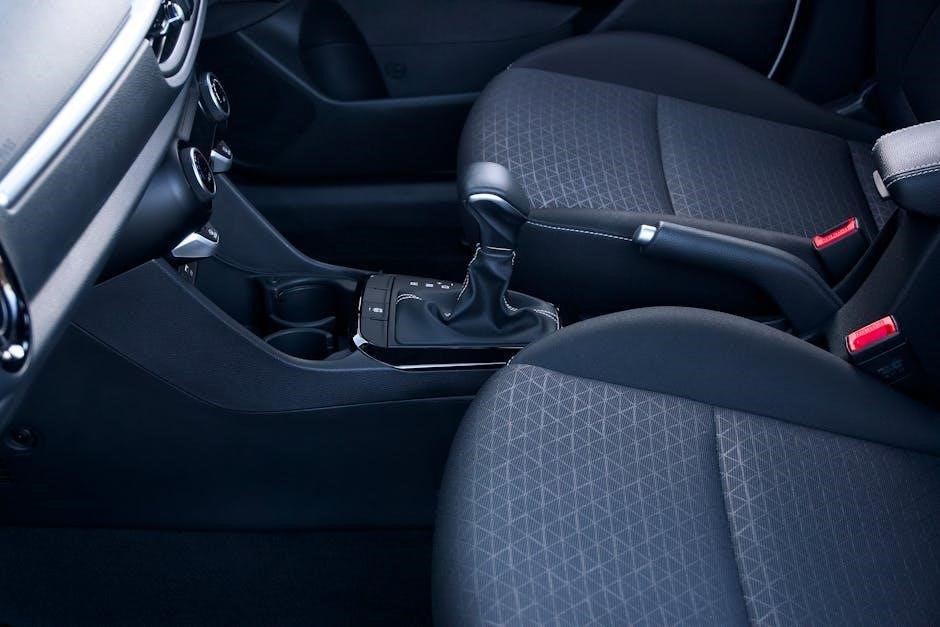
This is the friction point, where power starts transferring to the wheels. Hold the clutch steady at this point; the car may start to vibrate slightly. Mastering this delicate balance between clutch release and engine engagement is fundamental. Practice finding and holding the friction point repeatedly to develop a feel for it.
Smooth First Gear Engagement
Once you’ve located the friction point, gently move the gear stick into first gear. Continue holding the clutch at the friction point and simultaneously apply a small amount of accelerator. This coordinated action prevents stalling and initiates forward movement.
Avoid releasing the clutch too quickly, as this will likely cause a jerky start or stall the engine. Smoothness is key; aim for a gradual transition as you release the clutch fully while increasing accelerator input. Practice makes perfect – focus on coordinating these movements for a seamless first gear engagement.
Mastering Gear Changes
Successfully shifting gears requires precise timing and coordination of the clutch and accelerator, building upon the foundational skills already learned during lessons.
Upshifting Techniques
Upshifting, transitioning to a higher gear, is crucial for efficient driving and maintaining speed. Begin by gently releasing pressure from the accelerator pedal while simultaneously depressing the clutch. Swiftly, yet smoothly, move the gear stick to the next higher gear position. As you release the clutch, gradually reapply pressure to the accelerator, coordinating the movements to avoid jerks or loss of momentum.
Practice makes perfect; focus on a fluid motion, aiming for seamless transitions. Listen to the engine – it will ‘tell’ you when it’s time to upshift. Mastering upshifting contributes significantly to a comfortable and controlled driving experience, especially as the UK moves towards the 2035 ban on ICE vehicles.
Downshifting Techniques
Downshifting, selecting a lower gear, is essential for increasing engine power, controlling speed, and preparing for corners or hills. Initiate by releasing the accelerator and depressing the clutch pedal. Move the gear stick to the desired lower gear. Before fully releasing the clutch, a technique called ‘rev-matching’ is beneficial.
Briefly ‘blip’ the accelerator to increase engine RPMs, aligning them with the speed of the lower gear. This minimizes jolts during clutch engagement. Smoothly release the clutch while reapplying accelerator pressure. Mastering downshifting enhances control and responsiveness, skills valuable even as automatic transmissions gain prominence amidst zero-emission vehicle mandates.
Hill Starts and Control
Successfully navigating hills with a manual requires coordinating the handbrake, clutch, and accelerator to prevent rolling backward, a key skill for new drivers.
Using the Handbrake for Hill Starts
Mastering hill starts is a cornerstone of manual transmission proficiency, and the handbrake is your initial ally. Engage the handbrake firmly to prevent rollback while you find the friction point with the clutch. This provides a crucial moment to transition your foot from the brake to the accelerator without losing control.
Slowly release the brake pedal while simultaneously applying gentle pressure to the accelerator. As you feel the engine begin to pull, gradually release the handbrake. Coordination is key – a smooth release of the handbrake paired with increasing accelerator input will result in a controlled start; Practice this technique repeatedly to build muscle memory and confidence, ensuring a safe and seamless hill ascent.
Coordinating Clutch and Accelerator on Inclines
Beyond the handbrake, true hill start mastery lies in seamless clutch and accelerator coordination. Once comfortable with the handbrake method, begin to wean yourself off relying on it entirely. The goal is to hold the car stationary solely with the clutch at the friction point.
This requires delicate balance – too little gas and you’ll stall; too much and you’ll lurch forward. Focus on finding that sweet spot where the engine is engaged but the car isn’t moving. Gradually release the clutch while simultaneously increasing accelerator pressure, aiming for a smooth, controlled pull forward on the incline. Consistent practice builds this crucial skill.
Common Challenges and Solutions
Stalling and jerky gear changes are typical hurdles for new manual drivers, but refining technique and understanding the friction point are key solutions.
Stalling: Causes and Prevention
Stalling is arguably the most frustrating experience for learners, often stemming from insufficient gas or releasing the clutch too quickly. It’s a common occurrence as drivers coordinate the clutch and accelerator, especially during initial lessons. Understanding why it happens is the first step to prevention.
Typically, stalling occurs when the engine doesn’t receive enough power to maintain its rotation speed. This often happens when transitioning from a standstill or shifting to a lower gear. To avoid stalling, focus on smoothly increasing the accelerator as you release the clutch, finding that crucial ‘friction point’ where the engine begins to engage.
Practice gentle clutch control and anticipate the engine’s needs. Don’t rush the process; slow, deliberate movements are far more effective than quick, jerky ones. Remember, even experienced drivers occasionally stall, so don’t be discouraged!
Jerky Gear Changes: Refining Your Technique
Jerky gear changes are another frequent challenge for new manual drivers, often resulting from mismatched engine speed and gear selection. This discomfort arises from a lack of synchronization between clutch engagement, accelerator input, and gear lever movement. The key to smoother transitions lies in refining your coordination and timing.
Focus on fully depressing the clutch pedal before shifting gears, ensuring a clean disengagement from the engine. Simultaneously, blip the accelerator briefly during downshifts to match engine speed with the lower gear.
Release the clutch smoothly and progressively while gently applying the accelerator. Avoid ‘dumping’ the clutch, as this causes sudden engagement and a jarring sensation. Consistent practice will build muscle memory and improve the fluidity of your gear changes.
The Driving Test and Manual Transmission
The manual driving test assesses competency in clutch control, gear selection, and hill starts; expect scrutiny and avoid common mistakes for a successful outcome;
What to Expect During the Manual Test
During the manual driving test, examiners will thoroughly evaluate your ability to control the vehicle using a manual transmission. Expect a comprehensive assessment covering various maneuvers, including smooth gear changes, precise clutch control, and confident hill starts. The test will likely involve driving in different road conditions and traffic scenarios, demanding adaptability and quick decision-making.
Be prepared for independent driving sections where you’ll follow directions or a sat nav. Examiners will be looking for consistent clutch operation to prevent stalling and jerky movements. They’ll also assess your awareness of surroundings and adherence to road rules. Demonstrating a calm and controlled approach, even when faced with challenging situations, is crucial for a positive outcome. Remember, practice makes perfect, and thorough preparation is key to success.
Common Mistakes to Avoid
Several common errors can jeopardize your manual driving test. Frequent stalling, particularly at intersections or during hill starts, is a significant fault. Jerky gear changes, indicating poor clutch control and coordination, will also attract negative marks. Failing to maintain adequate observation and awareness of surroundings is another critical mistake;
Hesitation or uncertainty when changing gears, or incorrect gear selection for the speed and road conditions, can lead to faults. Neglecting to use the handbrake correctly on inclines or during emergency stops is also problematic. Remember to practice smooth, controlled movements and maintain a calm demeanor throughout the test to avoid these pitfalls and demonstrate competence.
Future of Manual Transmission
With the 2035 Zero Emission Vehicle Mandate approaching, manual cars face decline, yet remain appealing to enthusiasts who value driving engagement and control.
Impact of Zero Emission Vehicle Mandates
The impending UK Zero Emission Vehicle Mandate, set for 2035, significantly impacts the future of internal combustion engine (ICE) vehicles, including those with manual transmissions. This policy effectively bans the sale of new petrol and diesel cars, accelerating the shift towards electric vehicles. Consequently, the demand for learning manual transmission skills may decrease as fewer new manual cars are available.
However, a continued interest in driving lessons for manual cars persists among enthusiasts. While the long-term viability of manual transmissions is questionable in a fully electric future, the current availability of used manual vehicles and the desire for a more connected driving experience maintain a niche market. The mandate encourages a transition, but doesn’t immediately eliminate the existing manual car base.
The Appeal of Manual for Driving Enthusiasts
Despite the rise of automatics and impending emission mandates, a dedicated group of driving enthusiasts continues to champion the manual transmission. For many, it’s not simply about operating a vehicle, but about a deeper connection with the driving experience. Manual transmissions offer a level of control and engagement that automatics often lack, fostering a more immersive and rewarding feel behind the wheel.
Even auto journalists acknowledge the skill, though some admit personal limitations. This enduring appeal fuels continued demand for manual driving lessons, allowing enthusiasts to master a fading art. The tactile feedback and precise control remain highly valued, preserving the manual’s place in automotive culture.